
The Fading Craftsman · Episode 3
Where Have All the Craftsmen Gone?
The disappearing apprenticeship pipeline and the hidden cost of undervaluing skilled work.
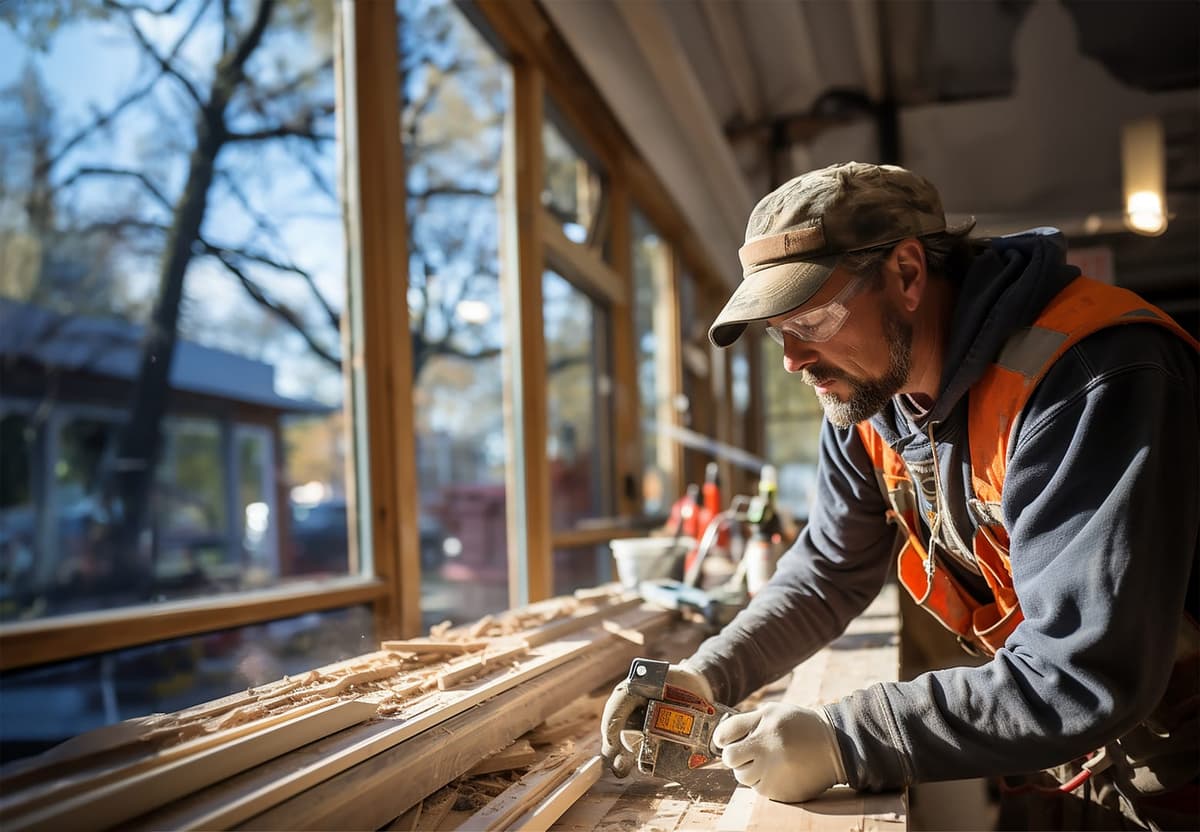
Why the trades still offer real opportunity, and what the next generation should know before writing them off.
I'm Mike from Mikes PRO Handyman Services in Las Vegas. For 25+ years, I've worked in electrical, plumbing, carpentry, and construction.
Somewhere along the way, TV and social media turned skilled work into a punchline: the “plumber’s crack” gag, the bumbling repair guy, the worker who shows up late with a messy truck and no real standards.
But that stereotype hides the truth.
The trades offer high pay, independence, and real pride. They offer a path where you can learn with your hands, build something useful, and eventually control your own future.
This post is for the next generation.
It is also for parents, schools, and employers who want to help young people find a path that actually builds a life.
Why Trades Are a Smart Path Right Now
The side of the story most young people never hear in school is simple:
Skilled trades can still change your life.
Not in some motivational-poster way. In a real-world way.
You can earn money while you learn. You can build a skill that cannot be faked. You can become useful in almost every city in America. You can eventually start your own business, choose your own customers, and build something that belongs to you.
That matters.
A lot of young people are being pushed toward debt before they are even old enough to understand what debt really means. College can be a great path for the right person, but it is not the only path.
The trades give you another door.
- High pay: Skilled trades can beat many entry-level office salaries. With overtime, specialty work, licenses, and experience, six-figure years are real.
- Independence: You can earn, save, buy tools, learn the business, and eventually launch your own shop.
- Pride: You leave behind something real: safe wiring, a dry home, a door that closes right, a room that works again.
For the data behind the shortage, start with Part 1 of this series.
The Psychology of Perception
The barrier is not always the work.
A lot of the time, it is the image.
For years, skilled workers have been mocked more than respected. Television made the tradesman the punchline. Social media celebrates quick money, luxury lifestyles, and desk jobs with clean clothes. Schools often talk about college like it is the main road and everything else is a detour.
That does damage.
It teaches young people that working with your hands is something you do when you have no other options.
That is completely wrong.
Working with your hands is not a fallback. It is freedom.
When you know how to fix, build, wire, frame, install, diagnose, and troubleshoot, you carry value with you. Nobody can repossess that skill. Nobody can outsource your hands when a pipe is leaking, a panel is failing, or a home needs to work again.
There is dignity in that.
There is also leverage.
Mentorship and Apprenticeship: How Skill Actually Transfers
Skill is taught.
It is not downloaded.
You do not become a craftsman by watching a few videos and buying a tool bag. Videos help, but they do not teach judgment. They do not teach the smell of overheated wiring, the feel of a bad connection, the sound of a loose bearing, or the difference between “good enough for now” and “built right.”
That comes from repetition.
It comes from standing next to someone who has already made the mistakes and learned from them.
This is where mentorship matters.
A real apprenticeship is not just cheap labor. It is a transfer of standards.
The younger person learns how to show up, how to think through a problem, how to protect a customer’s home, how to clean up, how to communicate, and how to know when something is outside their lane.
That is how craftsmanship survives.
What Good Mentorship Looks Like
Good mentorship is not yelling at someone until they figure it out.
It is structure.
It is patience with standards.
Here is what I believe actually helps someone grow in the trades:
- Shadow days: Ride-alongs where a beginner sees real jobs, real pacing, real customers, and real safety concerns.
- Structured repetition: The same task done correctly again and again until it sticks.
- Standards first: Clean work, safe work, labeled work, documented work, no shortcuts.
- A clear skill ladder: Helper to apprentice, apprentice to journeyman, journeyman to lead.
- Ownership: Let people make small decisions, then teach them what those decisions caused.
You cannot build confidence without responsibility.
You also cannot build craftsmanship without correction.
The trick is to correct without crushing the person.
DIY vs. Pro: Knowing When It Is Time to Call
I am all for smart DIY.
A homeowner should know how their house works. They should understand basic maintenance. They should know where the shutoff valves are, how to reset a GFCI, how to check a filter, and how to spot early warning signs before small problems get expensive.
But there is a line.
Some work protects your home. Some work protects your life.
That is where a pro matters.
Call a professional for things like:
- Electrical panels
- Service upgrades
- EV charger circuits
- Gas lines
- Slab leaks
- Structural changes
- Roof penetrations
- Flashing details
- Waterproofing details
- Anything that could create fire, flood, or safety risk
There is no shame in asking.
A good tradesman should be willing to tell you what is DIY-friendly and what should be handled professionally.
No pressure. No scare tactics. Just honest guidance.
Getting Started in the Trades
For someone young who wants to get started, do not overcomplicate it.
Pick a lane.
Electrical, plumbing, carpentry, HVAC, welding, drywall, tile, framing, painting, doors, locks, low voltage, smart home installs. There are more paths than people realize.
Then find a way to get around real work.
Not theory. Not fantasy. Real jobs.
Start as a helper if you have to. Sweep. Carry tools. Ask questions. Watch how experienced people solve problems. Take notes. Learn part names. Learn safety. Learn how to talk to customers.
The beginning is not glamorous.
That is fine.
Most things worth learning start with humble work.
A Simple Roadmap
Here is the clean version:
- Pick a trade that interests you.
- Find a mentor or small company willing to teach.
- Show up early and stay useful.
- Learn safety before speed.
- Learn standards before shortcuts.
- Take pictures of your work.
- Track what you learn.
- Ask better questions every week.
- Get certifications or formal training when it makes sense.
- Build toward independence.
The goal is not just to get a job.
The goal is to become useful, skilled, trusted, and eventually hard to replace.
Parents, Schools, and Employers Need to Help
This is not only on young people.
Adults need to stop treating the trades like a consolation prize.
Parents should talk about skilled work with respect. Schools should bring tradespeople into classrooms. Employers should create better entry points. Experienced craftsmen should teach before their knowledge disappears with them.
We need to rebuild the apprenticeship pipeline.
Not just for the economy.
For the culture.
A society that forgets how to build becomes dependent on the few people who still remember.
That is not a good plan.
A Call to the Next Generation
If you want a career with dignity, real earnings, useful skills, and visible results, the trades are worth a serious look.
They are not second-best.
They are the backbone of every home, every neighborhood, every restaurant, every school, every hospital, every city.
Somebody has to keep the real world working.
That somebody could be you.
Start with Part 1 of this series, then come back here and think about your next move.
The future still needs craftsmen.
The question is whether we are willing to teach them.
Need Work Done Right?
Honest repairs, diagnostics, and craftsmanship that holds.
Read Next
Craftsmanship • Longform
The Last Craftsmen: The Disappearing Art of Building Things Well
A longform essay on craftsmanship, mentorship, experience, and what we lose when good work stops being passed from one generation to the next.
Continue →
Las Vegas • Local History • Trades
Built Fast, Fixed Later: The Hidden Legacy of Las Vegas' Housing Boom
A veteran Las Vegas handyman on what the city's explosive housing boom got right, what it got wrong, and what homeowners living in those houses are dealing with today.
Continue →
Skilled Trades • Trust
The Fading Craftsman: How Low-Quality Work Broke Trust in the Trades
Shortcuts break homes and trust. A veteran handyman on how true craftsmanship restores safety, durability, and confidence for homeowners.
Continue →