The Fading Craftsman · Episode 2
Built Fast, Fixed Later: The Hidden Legacy of Las Vegas' Housing Boom
For decades Las Vegas grew faster than almost anywhere in America. From the outside it looked like progress. From inside the walls, the story was more complicated.

Some of the most expensive repairs I perform today started before the homeowner ever moved in.
Not last year.
Not five years ago.
Twenty years ago.
Back when entire Las Vegas neighborhoods were rising out of the desert almost overnight.
Streets appeared.
Schools appeared.
Shopping centers appeared.
And houses appeared by the thousands.
From the outside, it looked like progress.
From inside the walls, the story was often more complicated.
I've spent more than 25 years working in these homes.
In Henderson.
In Summerlin.
In the older neighborhoods closer to the Strip.
In the subdivisions that pushed further and further toward the edge of the valley as the city expanded.
I've seen what was built well.
I've seen what was built fast.
And I've learned those are not always the same thing.
This is what I know.
The Rush
The numbers tell part of the story.
Housing demand didn't just grow.
It ran.
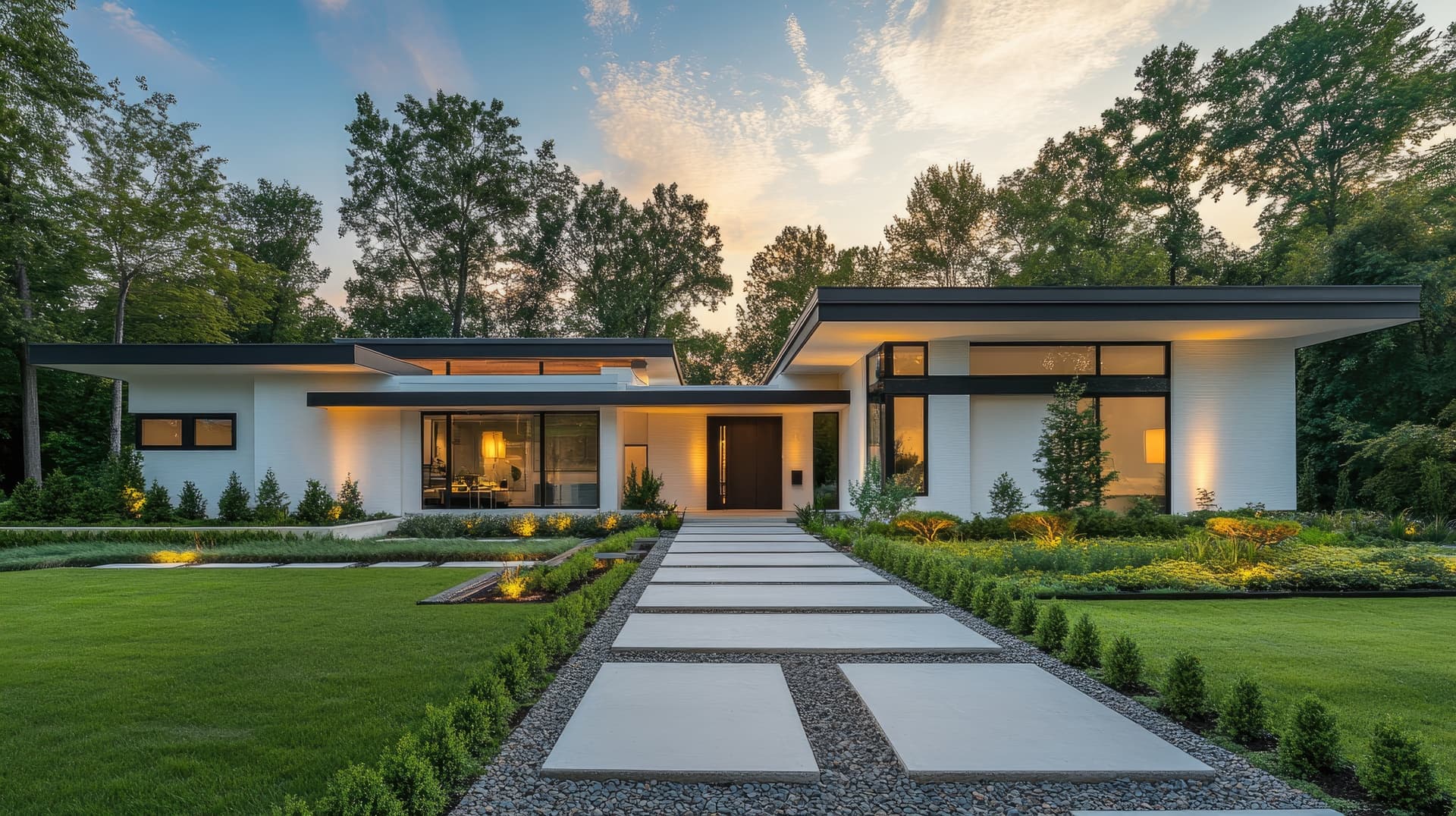
Production builders moved into the valley in force.
Entire master-planned communities appeared where open desert had been only months earlier.
The model worked because it had to.
People needed places to live.
Builders needed homes completed.
Developers needed lots sold.
Everyone was racing the same clock.
Most of those homes were built honestly and competently.
Many still perform well today.
But when growth accelerates faster than the labor market can support, pressure builds.
And pressure always leaves fingerprints.
What Happens When Speed Becomes The Goal
Nobody sat down and decided to build homes badly.
That's not what happened.
Most builders were doing their best under real-world constraints.
But quality depends on conditions.
It depends on experienced supervision.
It depends on skilled tradespeople.
It depends on time.
And during the boom years, all three were in short supply.
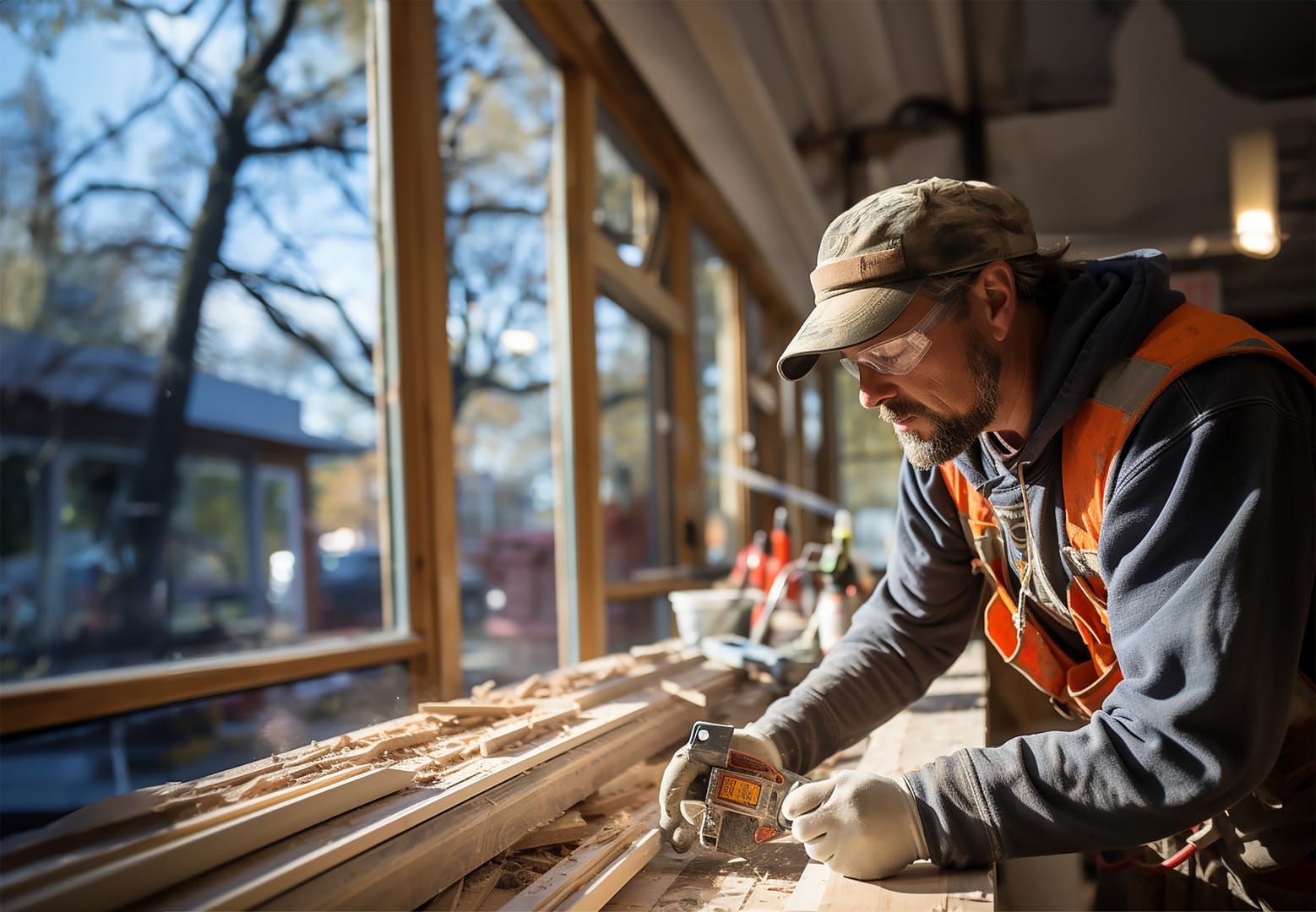
Experienced craftsmen became harder to find.
Schedules got compressed.
Inspections got stretched thin.
Small mistakes multiplied.
A shower pan that wasn't sloped quite right.
Flashing installed out of sequence.
A shortcut hidden behind drywall.
An outlet backstabbed instead of properly terminated.
None of those decisions seem dramatic in the moment.
Most pass inspection.
Most survive move-in.
Most look perfectly fine for years.
Then the home starts aging.
The desert starts testing it.
And what was hidden slowly becomes visible.

What We're Still Seeing Today
A few years ago I got called to a home in Henderson.
The homeowner thought they had a simple door problem.
The master bedroom door had started rubbing the frame.
That was it.
By the time I finished tracing the issue, we discovered evidence of long-term moisture intrusion around an exterior wall.
The door wasn't the problem.
The door was the symptom.
That's something I see repeatedly in boom-era homes.
The thing homeowners notice is rarely the thing that's actually wrong.
Today, the homes built during the peak years of growth are old enough for original construction decisions to start revealing themselves — stucco that moves with the desert instead of against it, doors and windows that drift out of alignment as framing settles, flashing that survived twenty dry years until one hard storm found the gap, attics that push aging HVAC systems past what they were sized for, waterproofing details that stayed hidden for a decade before they finally mattered.
I still see the same patterns again and again. They're rarely the whole story on their own — that's what the Henderson door taught me.
This essay is the "why" — the history and the trade conditions that shaped these homes. For the practical side — what each of those warning signs actually looks like, and what order to address them in — that's a separate, checklist-driven piece:
👉 Cracks in the Desert: What Las Vegas' Housing Boom Left Behind

The Homes That Aged Well
There is another side to this story.
Not every boom-era home was poorly built.
Far from it.
Some of the best-performing homes I work on today were built during those same years.
The difference usually comes down to four things:
Site Preparation
What's under the house matters as much as what's above it.
Craftsmanship
The same floor plan built by different crews can age completely differently.
Quality Control
Some builders maintained stricter standards than others.
That difference becomes obvious decades later.
Maintenance
The homes that perform best almost always had owners who paid attention.
Small maintenance problems rarely stay small when ignored.
What Homeowners Should Do Today
If your home was built between roughly 1990 and 2008, approach it with curiosity.
Not fear.
Just awareness.
Walk the exterior.
Inspect the stucco.
Look at the roof after storms.
Check every door and window.
Look inside the attic if it's safe to do so.
Pay attention to changes.
Take photos.
Document what you see.
Most expensive repairs don't appear suddenly.
They leave clues first.

What The Boom Gave This City
It would be easy to turn this story into criticism.
But that would miss the point.
The housing boom gave Las Vegas neighborhoods.
Schools.
Businesses.
Parks.
Communities.
It helped transform a growing desert city into the place hundreds of thousands of families now call home.
That matters.
The homes built during those years did exactly what they were built to do.
They housed a rapidly growing city.
Now those homes are entering a different stage of life.
A stage where craftsmanship, maintenance, and original construction quality matter more than ever.
And where the difference between "built quickly" and "built well" becomes easier to see.
Final Thoughts
Most homes in Las Vegas were touched by the boom years in one way or another.
The question isn't whether your home was built during the boom.
The question is how well it was built.
And whether somebody has been paying attention since.
Continue The Series
This is Episode 2 of The Fading Craftsman.
👉 Episode 1: The Fading Craftsman
👉 Episode 3: Where Have All The Craftsmen Gone?
When To Call Mike's PRO Handyman Services
If you're seeing recurring cracks, door alignment issues, leak points, HVAC concerns, or signs that your home may be showing its age, I can help determine what's cosmetic, what's maintenance, and what deserves immediate attention.
For diagnostics, repairs, and practical homeowner guidance, visit the contact page or explore more articles in the blog.
Need Work Done Right?
Honest repairs, diagnostics, and craftsmanship that holds.
Read Next
Skilled Trades • Trust
The Fading Craftsman: How Low-Quality Work Broke Trust in the Trades
Shortcuts break homes and trust. A veteran handyman on how true craftsmanship restores safety, durability, and confidence for homeowners.
Continue →
Craftsmanship • Longform
The Last Craftsmen: The Disappearing Art of Building Things Well
A longform essay on craftsmanship, mentorship, experience, and what we lose when good work stops being passed from one generation to the next.
Continue →
Skilled Trades • Next Generation
Where Have All the Craftsmen Gone?
If craftsmanship is fading, where did the craftsmen go? A look at mentorship, experience, and the gradual disappearance of skilled knowledge.
Continue →