
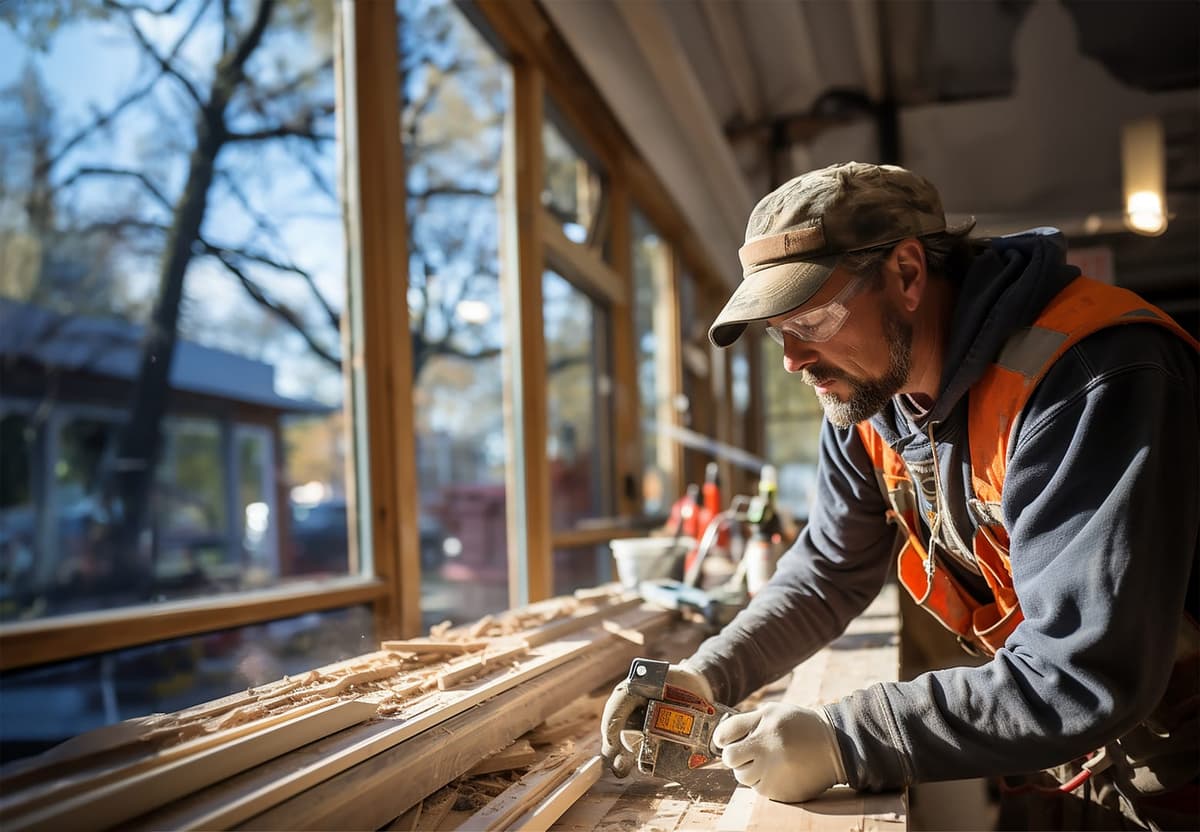
The Fading Craftsman · Episode 1
The Fading Craftsman
Why shortcut work keeps breaking trust, and what real craftsmanship still looks like when it is done right.
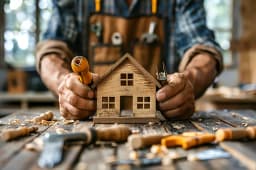
There was a time when tradespeople signed their work without ever writing their name.
You could see it in a clean wire run.
A properly sloped pan.
A door that closed with a whisper.
A piece of trim that looked like it had always belonged there.
That was the signature.
Not ink.
Pride.
Today, that signature is harder to find. In its place, homeowners are seeing rushed work, thin materials, missing details, and repairs that look finished until the first real test.
A shower looks good until moisture gets behind the wall.
An outlet works until the faceplate gets warm.
A window looks sealed until the first storm rolls through.
I have spent decades repairing things that should have been done right the first time.
And after a while, you start to see the bigger problem.
Low-quality work does not just damage homes.
It breaks trust.
The Rise of Good Enough
Somewhere along the way, good enough stopped being the minimum and quietly became the goal.
Code minimums became the finish line.
Speed started beating precision.
Accountability got thinner.
Mentorship faded.
And homeowners were left paying for shortcuts they never agreed to.
I have walked into brand-new homes with mold behind showers because the pan was wrong. I have seen flickering lights caused by lazy outlet connections. I have found water intrusion where someone tried to use caulk as a replacement for proper flashing.
These are not rare surprises.
They are routine.
That is the part most homeowners do not realize.
A lot of failures are not caused by one dramatic mistake. They come from a dozen small decisions where someone chose faster instead of better.
A little less prep.
A little less slope.
A little less fastening.
A little less sealing.
A little less care.
Then six months later, the homeowner is standing there wondering why something new already feels old.
The Small Signs Homeowners Should Notice
Shortcut work usually leaves clues.
Sometimes they are obvious. Sometimes they are quiet. But if you know what to look for, the house starts talking.
Watch for:
- Shower corners: cracked caulk, musty smells, soft drywall edges, loose tile, or stains near the base.
- Outlets and switches: warm faceplates, flickering lights, buzzing dimmers, loose plugs, or breakers that trip more than once.
- Windows and doors: water stains, paint-only “seals,” uneven gaps, binding latches, or trim separating from the wall.
- Trim and finish work: proud nails, sloppy caulk lines, uneven reveals, rough cuts, or pieces that look forced into place.
- Comfort problems: hot rooms, cold rooms, whistling returns, short-cycling HVAC, or doors that slam from pressure changes.
- Electrical panels: unlabeled breakers, scorched marks, messy wiring, loose covers, or signs that someone added circuits without care.
A home will usually warn you before it fails.
The trick is not ignoring the whisper until it becomes a bill.
For deeper diagnostic work, see How We Diagnose Hidden Home Issues.
The Emotional Cost of Low-Quality Work
Poor craftsmanship does not just break materials.
It breaks people’s confidence in their own home.
That is the part nobody talks about enough.
A homeowner notices something is wrong. Maybe the floor feels soft. Maybe the lights flicker. Maybe the room smells damp. Maybe the door never worked right after the remodel.
Then they ask around.
One person says it is normal.
Another says it is not a big deal.
Someone else says all houses do that.
Then another contractor comes in and shrugs.
After enough of that, the homeowner starts questioning themselves.
Was the inspector asleep?
Did the builder care?
Am I overreacting?
Is my house falling apart?
Who can I trust?
I have had customers get emotional, not because of the price, but because someone finally listened.
Someone saw what they saw.
Someone cared enough to explain the problem instead of brushing it off.
That is part of craftsmanship too.
It is not just tools and technique.
It is restoring confidence.
What Real Craftsmanship Looks Like Today
In a world full of shortcuts, craftsmanship almost feels rebellious.
It means doing the hidden things right, even when nobody is watching.
It means the wiring behind the wall matters.
The slope under the shower matters.
The flashing behind the trim matters.
The label on the breaker matters.
The shutoff location matters.
The cleanup matters.
The explanation matters.
Real craftsmanship is not about making every job fancy.
It is about making the work honest.
Here is what homeowners should expect from someone who takes the work seriously:
- Safety before speed
- Durability before cheap shortcuts
- Clean installation
- Proper moisture control
- Straight lines and even reveals
- Labeled panels, valves, and access points
- Photos when useful
- Clear communication
- No hiding behind vague answers
- Work that still makes sense years later
Craftsmanship is not perfection.
It is responsibility.
Details That Disappear
Some of the best work is work nobody notices.
A door that closes correctly does not call attention to itself.
A faucet that does not leak is not exciting.
A wall patch that blends in disappears.
A switch that works safely every time becomes invisible.
That is the strange beauty of good trade work.
When it is done right, it gets quiet.
Bad work gets loud.
It drips.
It buzzes.
It cracks.
It swells.
It smells.
It stains.
It fails at the worst possible time.
Good work lets people live their lives without thinking about it.
That is the goal.
How to Vet a Pro in 60 Seconds
You do not need to know everything about construction to spot someone who cares.
Ask simple questions.
Ask to see recent work. Not just finished beauty shots, but the middle of the job: panels, plumbing under sinks, waterproofing details, framing repairs, clean terminations, prep work.
Ask why they recommend one repair over another.
Ask what could go wrong if it is ignored.
Ask what they would do if it were their own home.
A good pro should be able to explain the work in plain language. They should not make you feel dumb for asking. They should not hide behind mystery or pressure.
Look for:
- Clean photos of past work
- Clear explanations
- Respect for safety
- Respect for your home
- A willingness to document details
- Honest limits about what they do and do not handle
The right person will not just tell you what they are doing.
They will tell you why it matters.
Why Mentorship Matters
Craftsmanship does not survive by accident.
It has to be taught.
Somebody has to show the next person how to hold a standard. Somebody has to explain why the hidden work matters. Somebody has to correct sloppy habits before they become a career.
That is one of the reasons the trades feel thinner today.
The apprenticeship pipeline is not what it used to be.
Too many young people were told the trades were second-best. Too many experienced workers were too busy, too burned out, or too unsupported to teach. Too many companies treated helpers like disposable labor instead of future craftsmen.
Skill does not transfer through wishful thinking.
It transfers through time, repetition, correction, and pride.
That is why this series matters.
If you want the next step, read Where Have All the Craftsmen Gone?.
Rebuilding Trust, One Repair at a Time
Craftsmanship is fading.
But it does not have to disappear.
Every repair is a chance to restore it.
Every conversation is a chance to educate.
Every detail is a chance to earn back trust.
That is how I look at the work.
A repair is not just a task on a list. It is a small promise to the person living there.
A promise that the door will close.
The leak will stop.
The circuit will be safer.
The wall will look whole again.
The home will feel a little less broken.
When a home is built with care, it does not just stand.
It speaks.
It says someone cared.
It says this was built to last.
That is the legacy I fight for on every job.
Need Work Done Right?
Honest repairs, diagnostics, and craftsmanship that holds.
Read Next

Home Maintenance • Pet-Friendly Living
The Best Ways to Control Pet Odors in Your Home
Eliminate odor at the source, clean the air, control shedding, and stay ahead of hidden odor zones.
Continue →

Home Maintenance • Las Vegas
The Unseen Damage: How Hard Water Quietly Destroys Las Vegas Homes
Las Vegas hard water quietly shortens the lifespan of valves, faucets, toilets, water heaters, appliances, and plumbing systems throughout the home.
Continue →
Home Repair Advice
Handyman vs Contractor in Las Vegas: The Difference Most Homeowners Get Wrong
Not sure whether you need a handyman or contractor in Las Vegas? Here's how to know which projects require a contractor and which can often be handled by an experienced multi-trade craftsman.
Continue →