

Home Diagnostics Report
How I Diagnose Hidden Home Problems Before They Become Expensive Repairs
How I find the real problem before it becomes an expensive repair.
6 min read
Inspection Type
Home Diagnostics
I am Mike from Mikes PRO Handyman Services here in Las Vegas. After more than 25 years in construction, electrical, plumbing, carpentry, and home repairs, I have learned one thing: expensive repairs almost never come out of nowhere.
They start with a small warning sign. A faint stain on a ceiling. A warm outlet. A sticking door. A musty smell that was not there last month. By the time the problem becomes obvious, the damage has often been building quietly for weeks — sometimes months.
Mike Says
Homeowners usually call because something feels different. A smell. A sound. A stain that wasn't there last week. My job isn't to guess. It's to follow the evidence and explain what I find.
Las Vegas homes face unique pressures: extreme heat, hard water, slab foundations, heavy AC demand, dust, and builder-grade materials from the boom years. Small problems hide longer here and escalate faster than in most markets.
Warning Signs That Usually Mean Something Bigger Is Coming
💧 Moisture Where It Should Not Be
Musty smells, dark grout, swollen baseboards, soft drywall, bubbling paint, or water-stained cabinets often mean a slow leak is already underway. In Las Vegas, hard water accelerates wear on supply lines, angle stops, and fixture connections.
⚡ Heat, Flicker, or Buzzing
A warm outlet, flickering light, buzzing sound, or breaker that keeps tripping can point to a loose connection, overloaded circuit, worn device, or wiring issue. These need to be checked before they get worse.
🧱 Cracks and Sticking Doors
A door that suddenly sticks or a crack that keeps widening is not always cosmetic. It can point to movement, moisture intrusion, framing issues, or settling that needs a closer look.
🌡️ Comfort and Efficiency Problems
One hot room, rising utility bills, foggy windows, or weak airflow from a vent can mean your home is losing conditioned air. In Las Vegas summers, small comfort problems become expensive fast.
Why Homeowners Miss These Warning Signs
Most hidden issues do not look serious at first.
A little stain becomes a ceiling repair. A small drip becomes cabinet damage. A warm outlet becomes a wiring problem. A sticking door becomes drywall cracks throughout the room. Because the symptoms seem minor, many homeowners put them on a mental "I'll deal with it later" list.
Hidden damage keeps progressing whether we notice it or not. The goal of diagnostics is simple: catch the issue while the repair is still manageable.
Case File: A Real Las Vegas Example
Complaint
Homeowner noticed a faint musty odor in the guest bathroom. No visible leak, no standing water, nothing that looked damaged.
Evidence
Moisture meter showed elevated readings inside the vanity cabinet wall. Slight discoloration at the base of the drywall — not visible from a standing position.
Diagnosis
Slow leak at the supply line connection behind the vanity — likely running for several months.
Outcome
The repair itself was minor. Had it gone unnoticed another few months: cabinet replacement, drywall repair, flooring work, and possible mold remediation. Finding it early saved thousands.
How I Diagnose the Problem Without Guessing
Guessing wastes your money and mine. I follow the evidence, not hunches. Good diagnostics means listening, testing, and understanding how Las Vegas homes are built.
1️⃣
Listen to the Story
When did it start? Does it happen when the AC kicks on? Only after running the shower? Only in summer? These details narrow the search quickly.
2️⃣
Test the Likely Zones
Depending on what you're seeing, I test moisture levels in walls and floors, check outlets, measure water pressure, inspect visible plumbing, or use a thermal camera or borescope.
3️⃣
Prioritize the Fix
You get a straight answer: what needs attention now, what can wait, and what to monitor. No mystery language — just a clear picture of what is happening.
Tools I Bring on a Diagnostics Visit
- 🔧Thermal camera — finds temperature differences that reveal hidden moisture or heat buildup
- 🔧Moisture meter — tests drywall, baseboards, cabinets, and flooring for hidden water
- 🔧Non-contact voltage tester — checks for live current without touching wires
- 🔧Outlet and circuit analyzer — identifies faults and wiring problems
- 🔧Water pressure gauge — checks pressure problems that damage fixtures and supply lines
- 🔧Borescope — inspects wall cavities and tight spaces without opening walls
What Small Signs Are Actually Hiding
| Warning Sign | What I Am Looking For | What It Can Become |
|---|---|---|
| Warm outlet or switch | Loose connection or overloaded device | Device failure, wiring damage, or fire risk |
| Musty smell near a cabinet | Slow leak from supply line or drain | Drywall, cabinet, flooring, or mold repairs |
| Widening crack near a door | Movement, moisture, or settling | Door frame damage, structural concerns |
| Foggy window glass | Failed insulated glass seal | Reduced efficiency, window replacement |
| Rising utility bills | Air leakage, insulation, or HVAC problem | Hundreds of dollars per year in wasted energy |
| Bubbling paint on a wall | Slow plumbing leak behind the surface | Extended moisture damage and drywall repair |
⚠ Stop and Call Now
These are not "watch and wait" situations:
- • Any outlet or switch that feels hot to the touch — not just warm
- • A burning smell near an electrical panel, outlet, or fixture
- • Soft drywall, spongy flooring, or swollen wood near any plumbing fixture
- • A crack that has visibly widened over a few weeks
- • A breaker that trips more than once for the same circuit
- • Water stains on a ceiling directly below a bathroom or kitchen
Do not open electrical panels or cut into walls to investigate. Document what you see with photos, note when it started, and have that ready when I arrive.
What You Get After a Diagnostics Visit
- A plain-English explanation of what is actually happening
- Photos or notes documenting the issue when possible
- A prioritized repair plan: what is urgent, what can wait, and what to monitor
- Honest cost-saving recommendations
- A clear next step — not a vague guess
Diagnostics Pricing
Service visits start at $149. The final cost depends on the problem, the diagnosis required, access, materials, and the work authorized. If something needs deeper investigation than a standard visit covers, I explain the options before we go further. No surprises.
Want to stay ahead of problems before they start? Check out the preventative home maintenance checklist for seasonal inspections that help Las Vegas homeowners catch leaks, HVAC issues, and electrical problems early.
Once the cause is identified, most of what follows is ordinary repair work — general repairs for drywall, trim, doors and fixtures, or plumbing repairs when it turns out to be a valve, supply line or trap. When a diagnosis points to permit-level electrical, structural, or major plumbing work, that goes to the appropriate licensed trade rather than getting stretched into a handyman visit.
Mike Says
The best repair is the one you never have to make. Finding problems early isn't about fear — it's about giving yourself options while you still have them.
Las Vegas Home Diagnostics FAQs
What is a home diagnostics visit?
It is a focused inspection visit to find the source of a problem before any repair work starts. Rather than replacing parts and hoping for the best, I use tools and testing to identify what is actually causing the issue.
When should I call for hidden leak diagnostics?
Call when you notice a musty smell that does not go away, soft or discolored drywall, swollen cabinet bases, bubbling paint, stained baseboards, or any flooring change near a sink, toilet, or appliance.
Should I be worried about a warm outlet or switch?
A dimmer switch that is slightly warm can be normal, but a hot outlet, burning smell, buzzing sound, flickering light, or repeated breaker trips should be inspected right away.
Why do Las Vegas homes develop hidden issues faster?
Extreme heat, hard water, dry air, heavy AC demand, slab foundations, and dust all put extra stress on plumbing, electrical components, seals, and building materials. I go through each of those conditions, and what they reach first, in the homeowner's version of this walk-through.
Is a diagnostics visit the same as a home inspection?
No. A home inspection looks at the property as a whole. A diagnostics visit focuses on a specific symptom or concern — the goal is to identify the source of one problem so repairs can be targeted accurately.
Related Reports
Pricing • Las Vegas
How Much Does a Handyman Cost in Las Vegas? Minimum Fees, Estimates, and What Changes the Price
My minimum service fee starts at $149. That is the floor for a service call—not a fixed price for every repair. Clear photos are sometimes enough for an estimate; other jobs require a paid on-site inspection before I can price the work responsibly.
Read Report →
Doors, Fixtures & Judgment Calls
Repair or Replace? How I Evaluate Common Problems in Las Vegas Homes
Repair is the right call when enough sound material remains to hold the fix. Replacement wins when you would be paying twice for the same problem.
Read Report →
Doors & Locks • Diagnosis
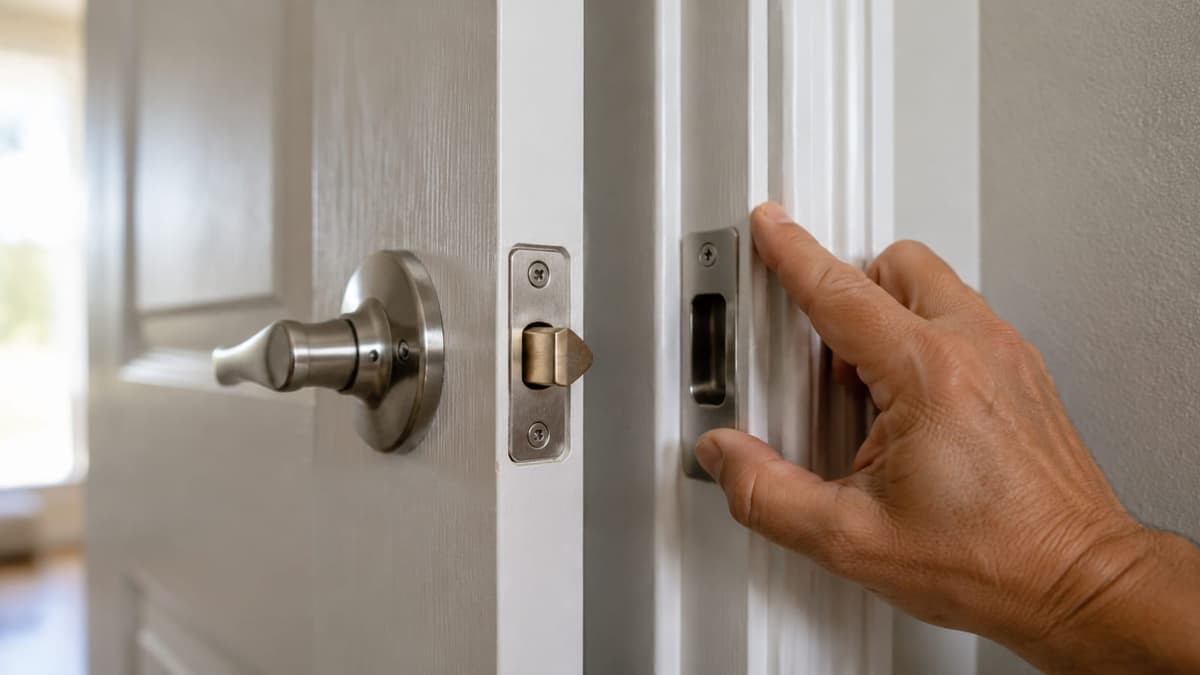
Why Your Door Won't Latch in Las Vegas—and How to Find the Real Cause
A door that won't latch is a symptom, not a diagnosis. Here's the order I check things in, why installation and alignment are the usual culprits, and how to tell adjustment from repair from replacement.
Read Report →