Living in Las Vegas is tough on homes.
Triple-digit summer temperatures, hard water, dust, intense sunlight, and heavy air conditioning use slowly wear down plumbing, electrical systems, doors, windows, seals, and HVAC equipment.
The good news is simple:
Most expensive repairs give you a warning first.
A tiny leak.
A dirty filter.
A cracked caulk line.
A sticking door.
A warm outlet.
A water heater that starts making noise.
After more than 25 years working on homes throughout Las Vegas, I have found that homeowners who stay ahead of maintenance almost always spend less than homeowners who wait until something breaks.
The Most Expensive $2 Leak
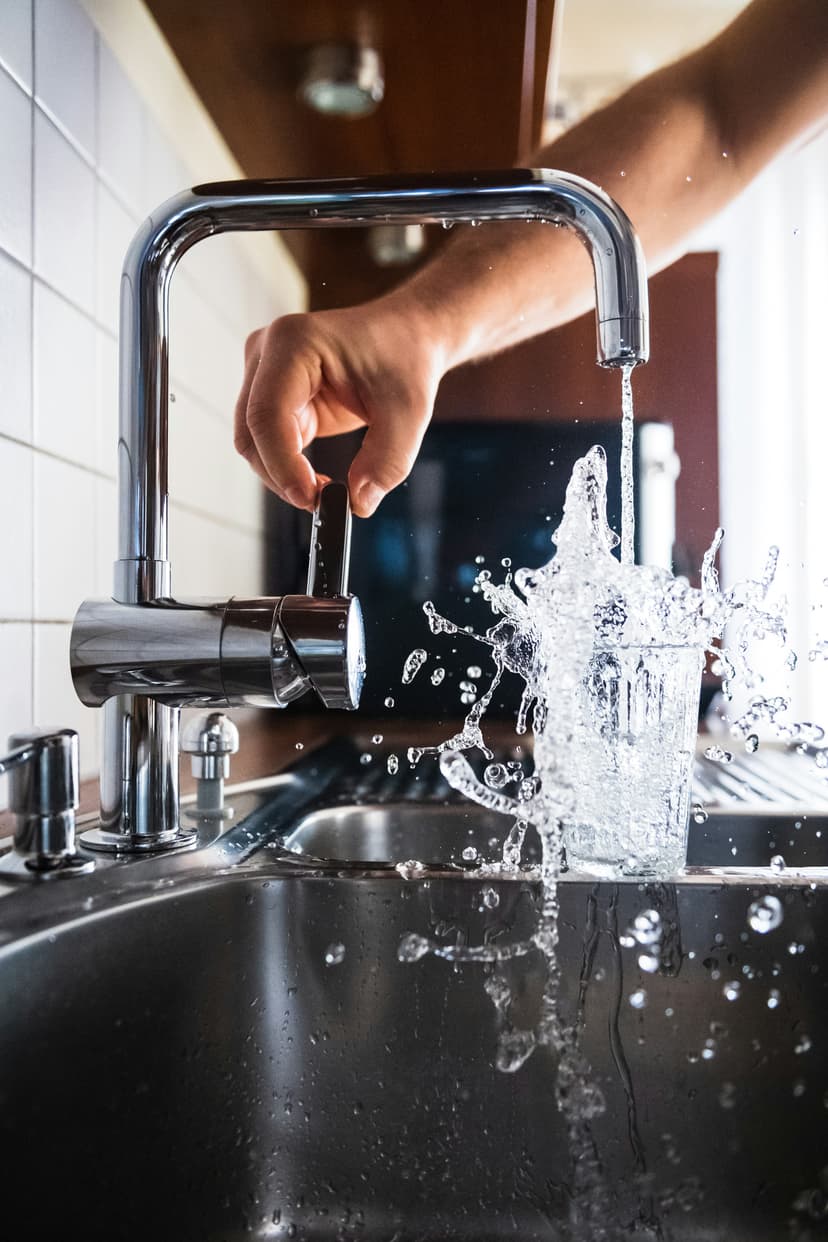
One of the most common repair chains I see starts with a tiny drip under a sink.
The homeowner ignores it.
Then the cabinet floor swells.
Then mold begins growing.
Then the drywall gets wet.
Suddenly, what could have been a small repair turns into hundreds or thousands of dollars.
That is why preventative maintenance works.
The earlier you find a problem, the cheaper it usually is to fix.
1. Check for Hidden Plumbing Leaks
Inspect under sinks, around toilets, near water heaters, and at exterior hose bibs.
Small leaks are one of the fastest ways to damage cabinets, drywall, flooring, and trim.
Check every 3 to 4 months.
Look for:
- Water stains
- Swollen cabinet bottoms
- Musty smells
- Loose toilets
- Corrosion
- Drips at supply lines
- Soft drywall near plumbing
Small leaks rarely stay small forever. If you find one, plumbing repairs is the fastest path from "I noticed a drip" to "it's fixed."
2. Inspect Your Water Heater
Las Vegas hard water creates sediment buildup.
Over time, that sediment can reduce performance, stress the tank, damage valves, and shorten the life of the water heater.
Look for:
- Rust
- Corrosion
- Leaks
- Noisy operation
- Reduced hot water
- Old or stuck shutoff valves
- Signs of water around the base
A water heater problem is easier to handle before it becomes an emergency.
3. Change HVAC Filters Regularly
Dirty filters force your AC system to work harder.
That matters in Las Vegas, where air conditioning is not just comfort. It is a survival necessity for the house.
Replacing filters helps improve:
- Airflow
- Cooling performance
- Energy efficiency
- Indoor air quality
- Equipment life
During heavy summer use, check filters more often than you think you need to.
4. Seal Doors and Windows
Good seals help keep conditioned air inside and dust outside.
Check:
- Weatherstripping
- Door sweeps
- Window caulking
- Exterior gaps
- Patio door seals
- Garage entry doors
Bad seals can increase utility bills, let dust inside, and make rooms harder to cool.
In Las Vegas, air leaks are tiny little money holes. Worn weatherstripping, door sweeps, and exterior caulking are covered under exterior & weatherproofing.
5. Test GFCI Outlets
Kitchens, bathrooms, garages, laundry areas, and outdoor outlets should be tested periodically.
GFCI outlets are there to protect people from shock hazards.
Press the test button.
Make sure the outlet trips.
Then reset it.
If it does not trip, does not reset, buzzes, feels warm, or keeps failing, it needs attention — that's a job for electrical repairs, not a DIY fix.
6. Check Smoke and Carbon Monoxide Detectors
Safety devices are easy to forget until they are needed.
Test smoke detectors and carbon monoxide detectors at least once a year.
Replace batteries as needed.
If a detector is old, yellowed, unreliable, or past its lifespan, replace it.
This is one of the cheapest maintenance tasks with the highest safety value.
7. Clean Dryer Vents
Lint buildup reduces dryer performance and can create a fire hazard.
Watch for:
- Clothes taking longer to dry
- A dryer that feels unusually hot
- Burning smells
- Excess lint around the vent
- Weak airflow outside
Dryer vents are one of those boring maintenance items that become very serious when ignored.
8. Inspect Caulking Around Wet Areas
Check tubs, showers, sinks, backsplashes, and countertops for cracked or missing caulking.
Failed caulk allows water to sneak behind surfaces.
That can lead to:
- Swollen cabinets
- Soft drywall
- Loose tile
- Mold growth
- Water stains
- Hidden framing damage
Caulk is cheap.
Water damage is not.
9. Watch for Cracks and Sticking Doors
Expanding cracks, doors that suddenly rub, or gaps that keep changing may point to settling, movement, moisture issues, or repairs that need a closer look.
Not every crack is serious.
But changing cracks deserve attention.
Photograph cracks every few months so you can compare them over time.
Your memory will guess.
Photos will tell the truth.
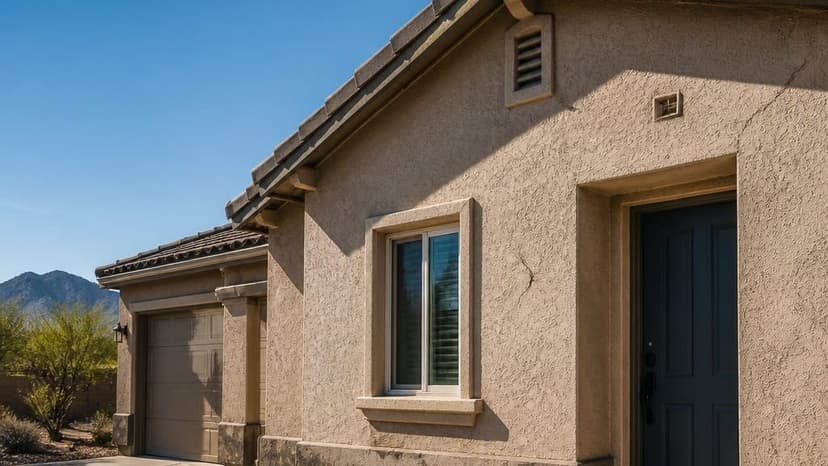
10. Inspect Exterior Trim and Stucco
Las Vegas sun can be brutal on exterior materials.
Catch problems early by looking for:
- Cracked stucco
- Peeling paint
- Damaged trim
- Open gaps
- Failed caulking
- Water stains
- Separation around doors and windows
Exterior gaps invite heat, dust, bugs, and water.
Monsoon season is the exception to the "dry desert" rule, and it's when neglected exterior gaps stop being a dust problem and become a water problem. A short, hard monsoon storm can push more moisture at a home in twenty minutes than months of ordinary weather — through cracked stucco, failed caulking around windows and doors, and gaps at roof penetrations. Check exterior seals before monsoon season starts, and walk the exterior again after any heavy storm to look for new staining, soft spots, or gaps that weren't there before.
The desert does not negotiate with neglected trim.
11. Check Irrigation and Hose Connections
Leaking irrigation lines, hose bibs, and outdoor connections waste water and can damage landscaping, walkways, stucco, and foundations over time.
Look for:
- Wet spots
- Dripping hose bibs
- Soft soil near the house
- Water stains on stucco
- Overwatering near the foundation
- Broken emitters or sprinkler heads
Outdoor leaks can quietly run for weeks before anyone notices.
12. Schedule a Yearly Home Checkup
A yearly maintenance inspection can catch small issues before they become emergency repairs.
Think of it as a tune-up for the house.
A good checkup should look at:
- Plumbing
- Doors
- Windows
- Caulking
- Exterior trim
- Water heater condition
- GFCI outlets
- Smoke detectors
- Dryer vents
- Visible leaks
- Signs of settlement or movement
You do not need to wait for something to fail before caring for the house.
The 5 Things Las Vegas Homeowners Ignore Until They Become Expensive
The five maintenance items most Las Vegas homeowners delay — none seem urgent until they are: **water heater sediment**, **dryer vents**, **shutoff valves**, **exterior caulking**, and **HVAC filters**. All quiet. All expensive when ignored long enough.Which Maintenance Items Save the Most Money?
The biggest money-savers are usually the items that prevent hidden damage.
Focus on:
- Fixing leaks early before they damage drywall, flooring, cabinets, or framing
- Keeping the HVAC system clean so it lasts longer in triple-digit heat
- Sealing exterior gaps to reduce power bills and dust intrusion
- Flushing or servicing the water heater before sediment shortens its life
- Cleaning dryer vents to reduce fire risk and poor dryer performance
- Repairing cracked caulk before water gets behind walls and cabinets
Preventative maintenance is not glamorous.
It is how you keep the house from ambushing your wallet.
Your Las Vegas Home Maintenance Calendar
What Is Your Home Health Score?
- HVAC filters - Water heater - Plumbing leaks - Dryer vent - Smoke detectors - GFCI outlets - Exterior caulking - WeatherstrippingCheck 7–8: Excellent. Check 4–6: Needs attention. Check 0–3: Schedule a maintenance inspection.
No shame either way.
The house is just telling you where to start.
Las Vegas Home Maintenance FAQs
How often should I perform preventative home maintenance?
Most homeowners should perform basic maintenance inspections at least twice per year, ideally before summer and before winter. Las Vegas homes work hard during extreme heat, so a pre-summer check is especially helpful.
Why is home maintenance especially important in Las Vegas?
Extreme heat, hard water, dry air, dust, and constant air conditioning use create extra wear on plumbing, HVAC systems, seals, exterior materials, and electrical components.
What maintenance task saves homeowners the most money?
Finding leaks early, maintaining HVAC equipment, cleaning dryer vents, sealing air leaks, and catching caulking problems usually provide the biggest return because they prevent larger repairs.
When should I call a handyman instead of doing it myself?
Call a handyman when a repair involves electrical troubleshooting, hidden leaks, recurring damage, stuck valves, drywall damage, door alignment issues, or anything you are not comfortable handling safely.
Doing This Yourself vs. Having It Handled on a Schedule
Everything above is checklist-and-awareness material — what to look at, how often, and what you can safely check yourself versus what needs a professional. If you'd rather not track any of it yourself, home maintenance plans cover this same ground on a recurring schedule instead of a one-time read. And if today's walk-through turns up a specific repair rather than a maintenance question, general repairs is the fastest way to get it handled.
This list applies to a house anywhere. If you want the version organised around what the desert specifically does — season by season, with the reasoning behind each check — that is the desert-specific version of this walk-through.